
Homeowners call us all the time convinced they need a tree removed, when what they actually need is a good trim. And once in a while it goes the other way: someone wants to save a tree with a trim when the honest answer is that it needs to come out. Knowing the difference matters, because one of these decisions is reversible and one very much is not.
Here is how to tell whether your tree needs trimming, removal, or something in between, and how a professional makes that call across La Verne, Claremont, and the surrounding Southern California communities.
What tree trimming actually does
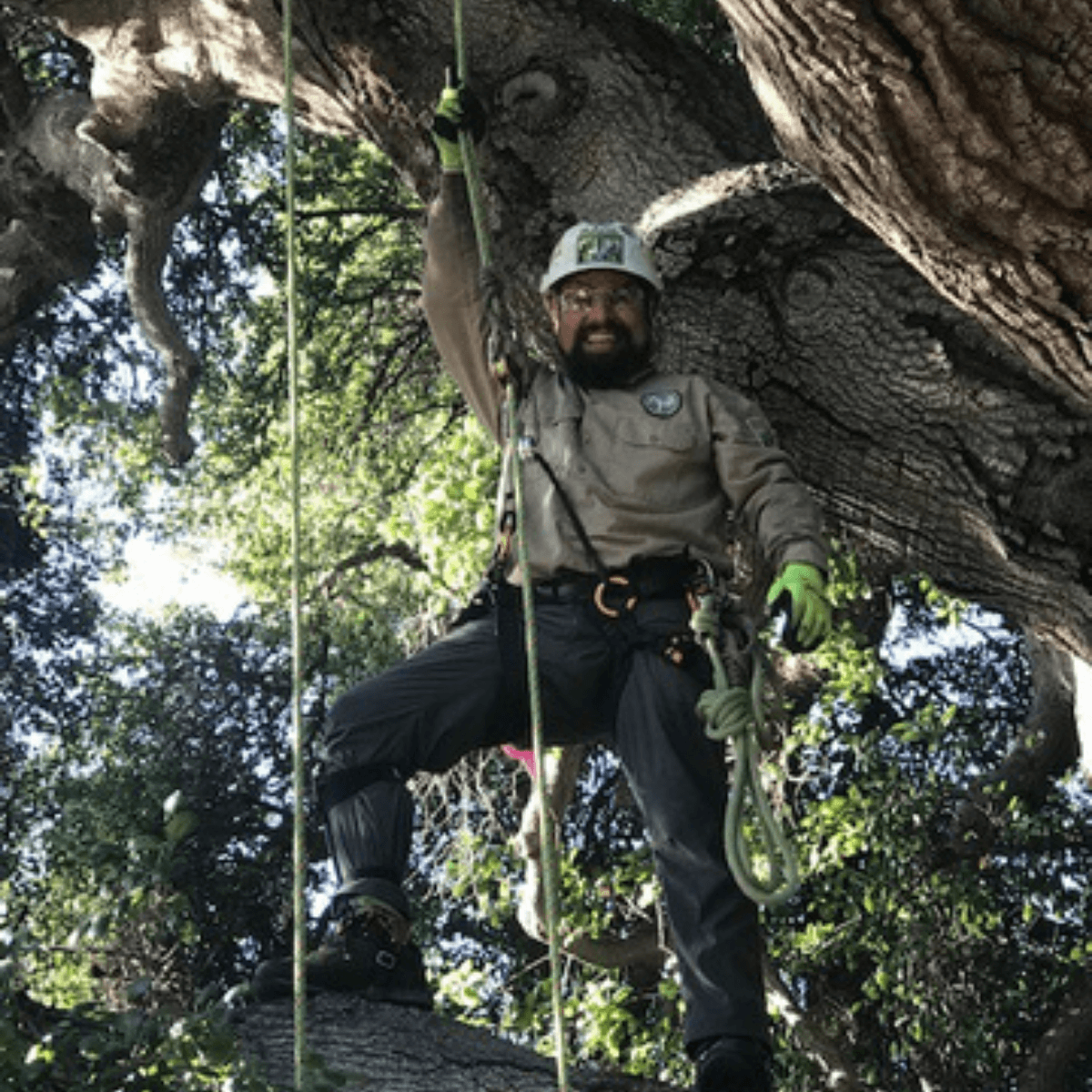
Trimming and pruning are maintenance. Done right, they keep a healthy tree healthy, safe, and shaped the way you want it. A proper trimming and pruning job can:
- Remove dead, diseased, or broken branches before they fall
- Reduce weight on heavy limbs so they hold up under Santa Ana winds
- Clear branches away from your roof, power lines, or driveway
- Thin the canopy to let light and air through
- Improve the tree’s structure while it is still young enough to shape
The key point: trimming is what you do to a tree you are keeping. It is an investment in the tree’s future, not a last resort. Regular pruning is one of the cheapest ways to prevent the failures that lead to removals down the road.
What tree removal is for
Removal is the answer when a tree can no longer be a safe, healthy part of your property. That usually comes down to one of a few situations:
- The tree is dead or dying. Past a certain point, no amount of pruning brings it back, and a dead tree only becomes more hazardous the longer it stands.
- The structure has failed. Major trunk decay, a split at the main union, or serious root loss are problems trimming cannot fix.
- It is the wrong tree in the wrong place. A tree with roots threatening the foundation, or one that has simply outgrown its spot, sometimes has to go regardless of health.
- It is a hazard to something that matters. A compromised tree leaning over your bedroom is a different calculation than the same tree in an open field.
Removal is permanent, which is exactly why it should be a considered decision and not a first reflex. A mature shade tree takes decades to replace. The goal is always to keep the tree if keeping it is safe. Our tree removal service is for the cases where it is not.
The quick gut check
Here is a rough way to think about it before you call anyone. Ask two questions. First, is the tree fundamentally healthy and structurally sound? Second, is the problem you are dealing with about specific branches, or about the whole tree?
If the tree is healthy and the issue is some branches, whether they are dead, overgrown, or too close to the house, you are almost certainly in trimming territory. If the tree itself is failing, dead, or structurally unsafe, you are looking at removal. The gray area, and there is always a gray area, is the tree that is stressed or partly compromised but might be saveable. That is the case where a professional opinion is worth the most, because the wrong guess in either direction costs you money.
The gray area: stressed but maybe saveable
This is where most of the hard calls live, and where a professional opinion earns its cost. A tree with a thinning canopy, some dieback, or early pest pressure is not automatically doomed. Southern California’s drought stress and invasive borers push a lot of trees into decline that can be reversed if it is caught in time. The right move might be pruning out the dead wood, treating a pest issue, adjusting how the tree is watered, and monitoring it for a season, rather than removing it.
It might also be removal, if the decline has gone too far. The difference between those two outcomes often comes down to what is happening inside the trunk and roots, which is not something you can judge from the ground. That is what an arborist consultation is for.
Sometimes the answer is both
It is not always one or the other. On a property with several trees, a good plan might mean removing one that is beyond saving while trimming the rest to keep them healthy and reduce wind risk. It can even happen on a single tree: taking out one failed co-dominant stem while preserving the sound half, for example. This is part of why an on-site look beats a phone quote. A professional walking your property can give you a plan for all of your trees at once, not just a yes or no on the one that caught your eye.
How often should healthy trees be trimmed?
For most established trees in our area, every three to five years is a reasonable rhythm, though it varies by species and situation. Fast-growing trees and anything near a structure or power line may need it more often. The best time to prune many species here is late winter or early spring, before the growing season, and ahead of Santa Ana season for trees that need weight reduction. Trees that should not be pruned out of season are left alone until the right window. Staying on a maintenance schedule is one of the most cost-effective things you can do, because the small trims that keep a tree sound are far cheaper than the removal that follows years of neglect.
Why the wrong choice is expensive either way
Remove a tree that only needed a trim and you have thrown away decades of shade, curb appeal, and property value that you cannot buy back. Trim a tree that actually needed to come out and you have paid to postpone a hazard that is still standing over your house, still waiting for the next big wind.
This is also why the topping approach some cheap outfits use is so damaging. Cutting a tree back to stubs is not pruning. It stresses the tree, triggers weak regrowth, and often turns a healthy tree into one that eventually does need removal. Proper pruning follows industry standards for a reason. We never top or lion-tail trees, because both create the exact problems you were trying to avoid.
Let a professional make the call
The honest truth is that from your kitchen window, trimming and removal can be hard to tell apart, because the signs that decide it are often internal. An ISA Certified Arborist can assess the tree’s health, structure, and risk, then tell you which one you actually need, and just as importantly, which one you do not.
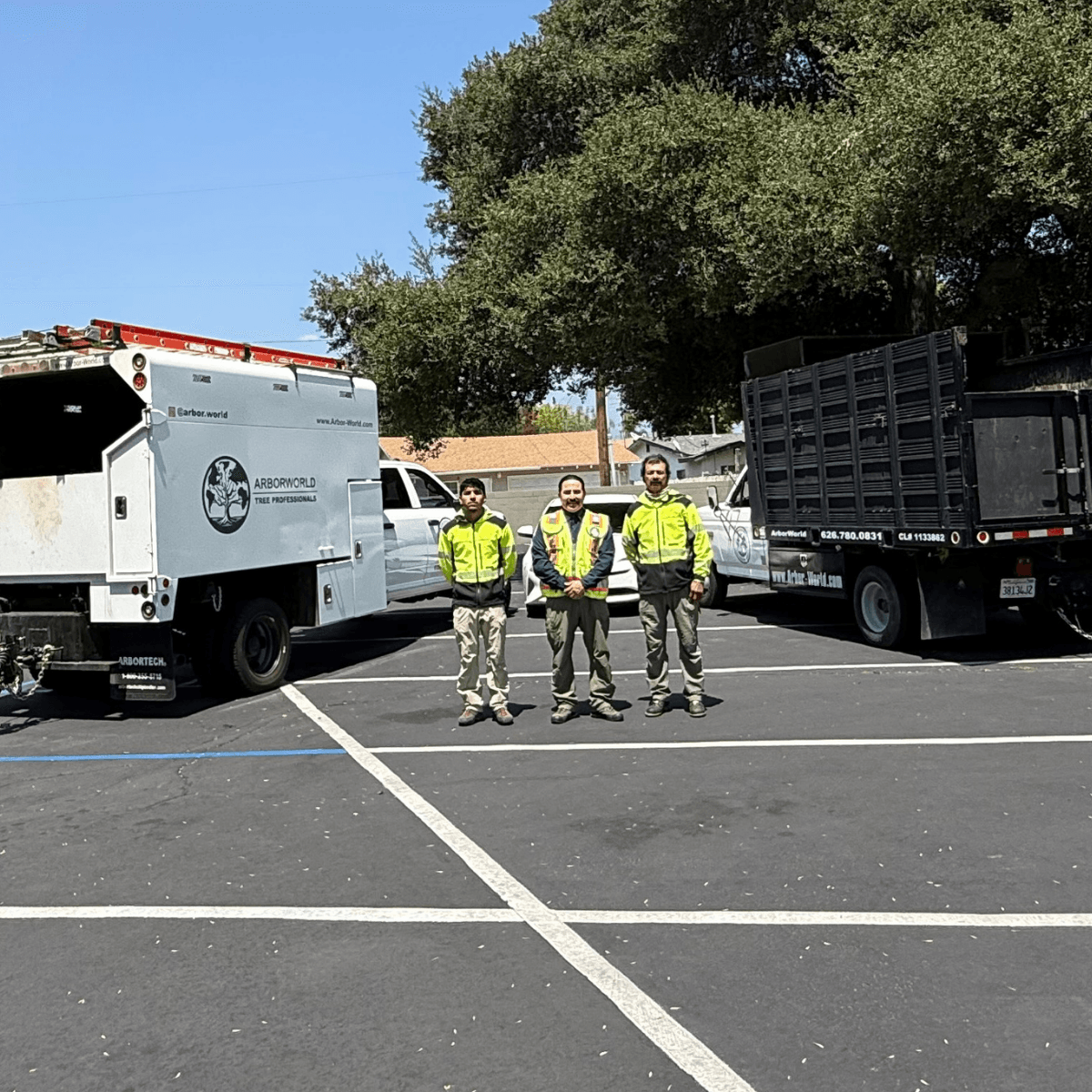
We would genuinely rather save your tree with a trim than sell you a removal you did not need. That is not just good ethics, it is how we have built 23 years of business, mostly on referrals, across La Verne, Claremont, Upland, Rancho Cucamonga, and the surrounding Southern California communities.
Not sure which one your tree needs? Call (626) 779-8786 or request a free estimate, and an ISA Certified Arborist will give you a straight answer.
Tree Removal vs. Tree Trimming in California: FAQs
How do I know if my tree needs trimming or removal?
Start with two questions: is the tree fundamentally healthy and structurally sound, and is the problem about a few branches or the whole tree? A healthy tree with a branch issue usually means trimming. A tree that is dead, dying, or structurally failing usually means removal. Internal decay is hard to judge from the ground, so a professional assessment settles the gray-area cases.
Is tree removal more expensive than tree trimming?
Removal almost always costs more than trimming because it takes more labor, equipment, and cleanup, and the price climbs with size, location, and proximity to structures or power lines. The bigger cost, though, is choosing wrong. Removing a tree that only needed a trim throws away decades of shade and property value you cannot buy back.
Do I need a permit to remove a tree in California?
It depends on your city and the type of tree. Many Southern California communities, including Claremont, Upland, and Rancho Cucamonga, protect certain species, heritage trees, or trees above a set size, and removing one without approval can bring a fine. Always confirm with your city first. An ISA Certified Arborist can tell you whether your tree is likely protected before you file.
When is the best time to trim trees in Southern California?
Late winter to early spring, before the growing season, is the ideal window for pruning most species in our area. It is also smart to reduce weight on heavy limbs ahead of Santa Ana season. Some species should only be pruned in specific windows, so timing is matched to the tree rather than the calendar.
Can a stressed or dying tree be saved with trimming?
Sometimes. A tree with a thinning canopy, minor dieback, or early pest pressure is not automatically doomed, and Southern California’s drought stress and invasive borers push many trees into a decline that can be reversed if caught early. The fix might be pruning dead wood, treating pests, and adjusting watering. If the decline has gone too far, removal is the safer call.
How often should healthy trees be trimmed?
For most established trees in our area, every three to five years is a reasonable rhythm, though fast-growing species and trees near a structure or power line often need it sooner. Staying on a maintenance schedule is one of the most cost-effective things you can do, because small regular trims are far cheaper than the removal that follows years of neglect.
Is tree topping a good way to reduce a tree’s size?
No. Topping cuts a tree back to stubs, which stresses it, triggers weak regrowth, and often turns a healthy tree into one that eventually needs removal. It is not pruning. Proper weight reduction follows industry standards and keeps the tree’s structure sound, which is why reputable arborists never top or lion-tail trees.
Why should an ISA Certified Arborist make the call?
From your window, trimming and removal can look the same, because the signs that decide it are often internal. An ISA Certified Arborist can assess the tree’s health, structure, and risk, then tell you which service you actually need and which you do not. That independent judgment is what protects you from paying for the wrong one.