Key Takeaways
- Overgrown and neglected trees are a major but often overlooked wildfire hazard around homes.
- Dense canopies, deadwood, and continuous vegetation can turn a backyard into a fuel ladder.
- Proactive thinning, deadwood removal, and defensible space creation significantly reduce ignition risk.
- Regular professional maintenance is more effective and less stressful than emergency fire-season work.
- ArborWorld provides ISA-certified arborist-led fire-risk assessments and tree care across the San Gabriel Valley.
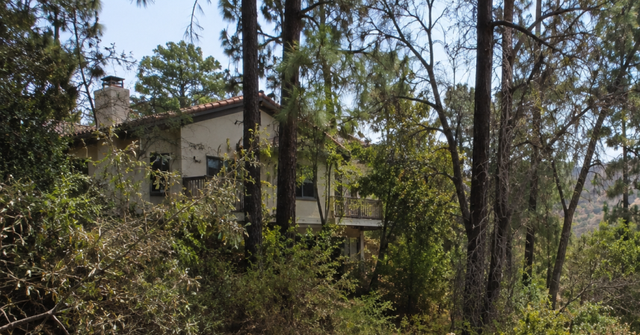
When California homeowners think about wildfire risk, they often focus on regional factors such as drought, wind, and proximity to wildland. But one of the most significant risk factors is much closer to home: the condition of the trees and vegetation in their own backyards. Overgrown, neglected trees with dense canopies, heavy dead wood, and unmanaged shrubs can create a continuous fuel ladder that allows fire to climb from the ground into the canopy and toward the house.
This article explains how overgrown and neglected trees increase fire risk, what specific conditions homeowners should look for, and how professional tree care can transform a hazardous backyard into a fire-resilient landscape.
How Overgrown Trees Increase Fire Risk
Overgrown trees contribute to fire risk in several ways –
- Dense canopies trap heat and allow fire to spread laterally from crown to crown
- Dead branches within the canopy act as ready fuel that ignites easily and burns hot
- Low-hanging limbs that touch or nearly touch shrubs create ladder fuels that enable ground fires to climb into the tree.
- When trees are planted too close together or allowed to grow into continuous masses, fire can move through the landscape with little resistance.
All of these conditions are common in backyards where trees have not been pruned or thinned for years.
The Role of Neglected Shrubs and Understory
Shrubs and understory vegetation often receive less attention than trees, but they play a critical role in fire behavior.
- Tall, dense shrubs that touch tree canopies provide a direct path for fire to ascend.
- Accumulated dead material within shrubs ignites easily and burns intensely.
- Continuous bands of shrubbery along fences or property lines can act as fire corridors, carrying flames toward structures.
- In many properties, the combination of neglected trees and unmanaged shrubs creates a perfect setup for rapid fire spread.
Deadwood, Debris, and Ladder Fuels
Deadwood is one of the most dangerous elements in a fire-prone landscape.
- Dead branches in the canopy, hanging limbs, and fallen wood under trees all ignite more easily than live material.
- When deadwood is present in large quantities, it increases both the likelihood of ignition and the intensity of burning.
- Debris such as leaves, needles, and small branches that accumulate on roofs, in gutters, under decks, and around foundations provides additional fuel for embers and direct flame.
- Ladder fuels, including low tree branches and tall shrubs, allow fire to move from the ground into the canopy, where it can spread quickly and generate intense heat.
Why Many Homeowners Underestimate Backyard Fire Risk
Many homeowners assume that if their house is not directly adjacent to wildland, their fire risk is low. In reality, embers from distant fires can travel long distances and ignite receptive fuels in residential areas.
- A well-maintained home with a neglected backyard can still be at high risk if trees and shrubs provide ample fuel and pathways for fire.
- Additionally, insurance companies and local fire authorities are increasingly scrutinizing vegetation management around homes, and poorly maintained landscapes can affect coverage and compliance with fire-safe ordinances.
Transforming a Hazardous Backyard Into a Fire-Resilient Landscape
The good news is that most backyard fire risk can be substantially reduced with targeted tree and shrub management.
- Thinning dense canopies allows wind to pass through and reduces heat trapping.
- Removing deadwood eliminates easy-to-ignite fuel.
- Raising canopies and separating shrubs from tree branches breaks ladder fuels.
- Creating and maintaining defensible space zones around the home provides a buffer that slows fire and gives firefighters a safer area to work.
- Regular maintenance ensures that these improvements are sustained over time, rather than degrading back into a hazardous condition.
Why San Gabriel Valley Homeowners Trust ArborWorld for Backyard Fire Risk Reduction
ArborWorld is an experienced & dedicated tree care firm in La Verne, California with 23 years in business. Our crews are led by ISA Certified Arborists to perform ISA TRAQ-qualified risk assessments focused on fire-prone residential properties, pruning and removal that follow ANSI A300 standards and avoid harmful practices like topping or lion-tailing. ArborWorld offers 24/7 emergency response for storm- and fire-season hazards with flat-rate, no-surprise pricing with payment plans available for larger projects, and local knowledge of San Gabriel Valley species, soils, and Santa Ana wind patterns. Our crews understand how to balance fire safety with tree health and landscape aesthetics.
When evaluating a backyard for fire risk, ArborWorld starts with a site-wide inventory of trees and shrubs, noting species, size, condition, and proximity to structures. We assess canopy density, deadwood levels, ladder fuels, and defensible space zones. Post that, or arborist discusses the homeowner’s goals, insurance requirements, and any local fire-safe ordinances. We also provide a written estimate outlining recommended pruning, removal, and debris management, along with timing and cleanup details. For larger projects, we can coordinate phased work and payment plans to spread costs while prioritizing the highest-risk areas first.
Some of the common backyard fire-safe projects completed by us includes
- thinning dense pine and oak canopies on residential lots
- removing deadwood and low limbs from mature oaks near homes
- clearing overgrown shrubs and small trees that create continuous fuel ladders, and
- performing shrub removal or renovation pruning to break fuel corridors along fences and property lines.
Frequently Asked Questions About Backyard Fire Risk by Homeowners in California
How do I know if my backyard trees are a fire risk in California?
Signs include dense, unthinned canopies, heavy deadwood, low branches near shrubs or structures, and continuous vegetation that connects to the house. A professional arborist can provide a detailed risk assessment.
How often should I maintain my trees for fire safety?
In high-risk areas, annual or biennial maintenance is ideal, with more frequent checks during drought or extreme fire weather. At minimum, schedule a professional assessment every 2–3 years.
Will fire-safe tree work affect my landscape’s appearance?
Properly done, fire-safe pruning improves tree health and can enhance the overall look of the landscape by removing deadwood and opening up dense areas. The goal is safety and health, not a stripped or unnatural appearance.
Summary Checklist: Backyard Fire Risk Reduction -California
| Task | Priority | Recommended Action |
| Inventory trees and shrubs near structures | High | Note species, size, condition, and distance from home. |
| Thin dense canopies and remove deadwood | Critical | Schedule regular pruning with an ISA-certified arborist. |
| Break ladder fuels between shrubs and trees | High | Keep shrubs low and separated from tree canopies. |
| Establish and maintain defensible space zones | Critical | Follow local and state guidelines for 0 to 100 ft zones. |
| Remove debris from roofs, gutters, and under decks | High | Clean at least twice yearly and after heavy shedding. |
| Plan ongoing maintenance, not one-time fixes | High | Set annual or biennial inspection and cleanup schedules. |
Final Advice
The greatest wildfire threat to your home may be growing just outside your back door. Overgrown trees, dense shrubs, deadwood, and accumulated yard debris can create continuous fuel that allows flames and embers to spread quickly toward structures. The good news is that these risks are largely preventable with consistent tree care and landscape maintenance.
- Schedule regular inspections to identify hazardous branches, overcrowded canopies, and ladder fuels before fire season begins.
- Maintain defensible space, remove dead vegetation, and keep tree limbs well separated from roofs, fences, and nearby shrubs.
- Avoid excessive pruning or topping, as these practices can weaken healthy trees and create additional hazards over time.
- An ISA-certified arborist can develop a fire-safe maintenance plan that protects both your property and the long-term health of your landscape.
- Taking action today is far easier and more cost-effective than responding to fire damage later.