Key Takeaways
- Coast Live Oak is a keystone species in Southern California landscapes but requires careful, informed pruning.
- Pruning at the wrong time or with poor technique can increase disease risk and structural problems.
- The right pruning improves safety, health, and longevity while preserving the tree’s natural form.
- Owners should avoid heavy topping, lion-tailing, and out-of-season cuts on mature oaks.
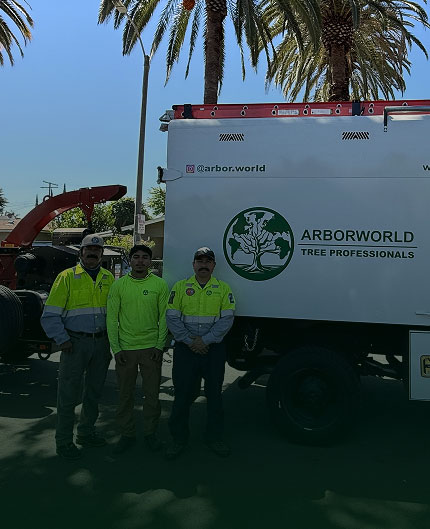
- ArborWorld provides ISA-certified arborist-led Coast Live Oak pruning across La Verne and the San Gabriel Valley.
Coast Live Oak (Quercus agrifolia) is one of the most iconic and ecologically valuable trees in Southern California. It provides shade, habitat, and a sense of place in neighborhoods from La Verne to the coast. But like any long-lived tree, Coast Live Oak needs thoughtful management to remain safe and healthy for decades. Improper pruning is one of the most common mistakes property owners make, often leading to increased disease pressure, structural weakness, and shortened lifespan.
This article explains when, why, and how Coast Live Oak should be pruned, with an emphasis on practices that protect tree health and reduce risk.
Understanding Coast Live Oak Growth and Biology
Coast Live Oak is an evergreen oak that grows relatively slowly but can become very large over time. It forms a broad, dense canopy with many small to medium branches and a strong central structure when young. As it matures, lower limbs often droop, and the interior canopy can become quite dense. The tree compartmentalizes wounds more slowly than some species, meaning large or poorly placed cuts can remain vulnerable to decay for many years. Understanding this growth pattern is essential for making pruning decisions that support long-term stability.
Why Prune Coast Live Oak?
Pruning Coast Live Oak serves several purposes.
- Safety is a primary reason, because dead or weak limbs can fail and damage structures, vehicles, or people.
- Health is another, as removing dead, diseased, or rubbing branches improves airflow and reduces pathogen spread.
- Clearance is often needed to keep branches away from roofs, driveways, and power lines.
- Aesthetic goals, such as preserving a pleasing form or opening views, can also be addressed through careful pruning.
- Finally, risk reduction is critical in fire-prone areas, where thinning and deadwood removal can lower fuel load and fire intensity around the home.
When to Prune Coast Live Oak
Timing is crucial for Coast Live Oak. In Southern California, the generally recommended pruning window is during summer because that’s when they go semi dormant.
- Pruning during the winter season or in cool, wet periods can increase the risk of certain fungal pathogens, including those associated with oak decline.
- Heavy pruning during drought stress should also be avoided, because removing too much canopy can exacerbate water stress.
- Minor cleanup of small dead branches can be done year-round, but major structural work should be scheduled within the appropriate window and coordinated with an ISA-certified arborist familiar with local oak health issues.
How to Prune Coast Live Oak Properly
Proper Coast Live Oak pruning follows industry standards and respects the tree’s natural form.
- The first step is to remove dead, dying, and diseased wood, which offers no benefit and only adds failure risk.
- Next, targeted thinning reduces interior density to improve airflow and light penetration without creating a lion-tailed appearance.
- Long, overextended limbs can be reduced to healthy laterals to lower leverage on branch unions.
- Weak or co-dominant stems can be corrected in younger trees, while mature oaks may require more conservative interventions to avoid large wounds.
- Cuts should be made just outside the branch collar, avoiding flush cuts into the trunk or large stubs that invite decay. Throughout the process, the goal is to preserve the oak’s natural shape while improving safety and health.
What to Avoid When Pruning Coast Live Oak
Certain practices are particularly harmful to Coast Live Oak.
- Topping, or cutting large branches back to arbitrary points, creates large, poorly attached regrowth that is highly prone to failure.
- Lion-tailing, which removes most interior branches and leaves foliage only at the ends, concentrates weight at branch tips and increases breakage risk.
- Excessive canopy removal, especially in a single season, can stress the tree and reduce its ability to cope with drought and pests.
- Pruning outside the recommended window, particularly during cool, wet periods, can increase disease risk. Homeowners should avoid these practices and work with qualified arborists who understand oak biology.
Fire-Safe and Structural Considerations
- In fire-prone areas, Coast Live Oak pruning often includes creating clearance from structures, removing deadwood, and thinning dense lower canopy to reduce ladder fuels.
- Structural pruning focuses on weak unions, long overextended limbs, and branches that conflict with buildings or hardscape.
- The best approach integrates fire safety, structural integrity, and long-term oak health, rather than treating any single issue in isolation.
Why San Gabriel Valley Homeowners Choose ArborWorld for Coast Live Oak Pruning
ArborWorld brings 23 years of local experience with a vast team of ISA Certified Arborists and Certified Tree Climbers. Our advantages include TRAQ-qualified risk assessments specific to mature oaks, pruning that follows ANSI A300 standards and avoids topping or lion-tailing, 24/7 emergency response for storm-damaged or hazardous oaks, flat-rate, no-surprise pricing with payment plans available for larger projects, and deep knowledge of San Gabriel Valley soils, climate, and oak health issues. ArborWorld’s approach balances fire safety, structural needs, and the preservation of these long-lived landscape trees.
When evaluating a Coast Live Oak, ArborWorld starts with a full tree assessment, noting species confirmation, size, structure, and any signs of decline or disease. We inspect branch unions, deadwood, and clearance issues relative to structures and utilities. ArborWorld also discusses the homeowner’s goals, including safety, fire risk, and aesthetics, and review any local ordinances or HOA requirements and provide a written estimate outlining recommended pruning actions, timing within the appropriate window, equipment needs, and cleanup. During the work, crews follow ANSI A300 pruning practices, sanitize tools between trees to reduce disease spread, and ensure all debris is removed or managed according to the homeowner’s preferences.
Common Coast Live Oak Pruning Scenarios
Typical projects ArborWorld handles include –
- reducing long limbs overhanging roofs or driveways
- thinning dense interior canopy to improve airflow and reduce fire risk
- removing dead or broken branches after wind events, and
- correcting structural issues in younger oaks to guide future form
Frequently Asked Questions About Coast Live Oak Pruning by Homeowners in San Gabriel Valley, CA
How often should Coast Live Oak be pruned?
Mature oaks typically need structural or maintenance pruning every 3–5 years, depending on growth rate, site conditions, and risk factors. Younger oaks may be pruned more frequently to guide form.
Can I prune my Coast Live Oak myself?
Small, low-risk branches can be handled by knowledgeable homeowners, but mature oaks often require climbing, rigging, and an understanding of oak biology that is best left to certified arborists.
Do I need a permit to prune a Coast Live Oak in San Gabriel Valley?
Some cities have tree preservation ordinances that regulate work on protected native oaks, especially for major pruning or removal. An ISA-certified arborist can help determine whether permits or approvals are required before work begins.
Can Coast Live Oak branches be pruned away from my roof?
Yes. Branches that overhang roofs, chimneys, or gutters can be selectively reduced to improve clearance and lower the risk of storm damage, debris buildup, and wildfire ember ignition. Pruning should preserve the tree’s natural structure rather than removing excessive canopy.
How much of a Coast Live Oak canopy can be removed at one time?
In most cases, no more than 10% of the live canopy should be removed during a single pruning cycle. Removing too much foliage can stress the tree, reduce energy production, and increase the risk of decline, particularly during drought conditions. An ISA-certified arborist can recommend the appropriate amount based on the tree’s age, health, and condition.
Will pruning hurt my oak?
When done correctly and within the recommended timing window, pruning supports long-term health and safety. Harm comes from improper techniques like topping, lion-tailing, or excessive canopy removal.
| Task | Priority | Recommended Action |
| Confirm tree species and health status | High | Have an ISA-certified arborist verify oak condition. |
| Schedule pruning in the proper season | High | Plan major work for summer |
| Remove deadwood and thin dense canopy | High | Follow ANSI A300 standards; avoid lion-tailing. |
| Maintain clearance from structures and utilities | High | Keep branches away from roofs, chimneys, and lines. |
| Avoid topping and excessive canopy removal | Critical | Work only with qualified arborists who understand oaks. |
| Plan long-term maintenance cycles | Moderate | Set a 3 to 5 year pruning cycle for mature oaks. |
Final Advice
Coast Live Oak is one of California’s most valuable native trees, and proper pruning plays a vital role in preserving its health, safety, and natural beauty. Pruning at the correct time, using industry-approved techniques, helps reduce the risk of disease, structural failure, and unnecessary stress. Avoid harmful practices such as topping, lion-tailing, or removing excessive live canopy, as these can permanently weaken the tree. Regular inspections also help identify deadwood, weak branch unions, and clearance issues before they become costly hazards. If your oak grows near a home, driveway, or power lines, professional evaluation is especially important.