Key Takeaways
- Wildfire risk in California is strongly influenced by how trees and vegetation are maintained around homes.
- Creating and maintaining defensible space is one of the most effective ways to reduce structure ignition risk.
- Nine key practices, from canopy thinning to debris removal, can significantly improve fire safety.
- Regular maintenance is more effective and less costly than emergency post-fire cleanup or loss.
- ArborWorld provides ISA-certified arborist-led fire-risk assessments, pruning, and tree removal across La Verne and the San Gabriel Valley.
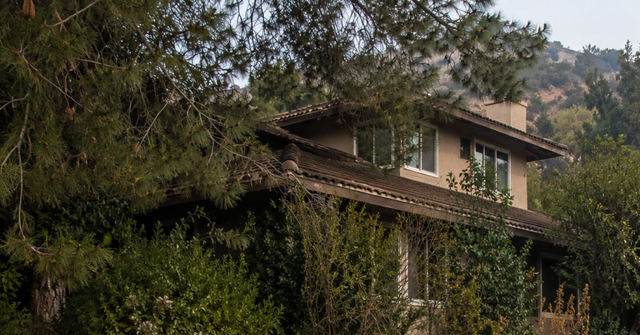
For California homeowners, wildfire is not an abstract threat; it’s a recurring reality. Every fire season, news coverage shows homes lost while others nearby survive. Often, the difference isn’t just luck; it’s how well the property’s trees and vegetation were maintained. Trees can provide shade, beauty, and habitat, but when overgrown, dense, or filled with deadwood, they become fuel that can carry fire directly to a structure.
Top 9 Fire Safe Tree Maintenance Practices
This article outlines 9 fire-safe tree maintenance practices every California homeowner should follow, aligned with fire-safe guidelines and arboricultural best practices.
1. Create and Maintain Defensible Space Zones
Defensible space is the area around a home where vegetation is managed to reduce fire intensity and slow its spread. Most guidelines recommend at least 100 feet of defensible space, divided into zones.
- Zone 1 extends from 0 to 30 feet and should feature sparse, low-growing plants with no trees or shrubs touching the house and minimal continuous fuel.
- Zone 2 extends from 30 to 100 feet and should have thinned trees and shrubs, with spacing between crowns and removal of ladder fuels.
- Properly maintained defensible space gives firefighters a safer area to work and reduces radiant heat and direct flame contact with the home.
2. Thin Dense Tree Canopies to Reduce Fire Intensity
Dense canopies trap heat and allow fire to climb and spread. Thinning involves selectively removing branches to reduce overall foliage density, allow wind to pass through rather than push against a solid mass, and lower the likelihood of crown fires. Thinning should be done by trained crews who understand tree biology and fire behavior, avoiding over-pruning that stresses trees.
3. Remove Deadwood and Ladder Fuels
Dead branches, hanging limbs, and ladder fuels, which are vegetation that allows fire to climb from the ground into the canopy, are among the most dangerous elements in a fire. Regularly remove dead, dying, and diseased branches from all trees, low-hanging limbs that connect shrubs to tree canopies, and accumulated debris under trees. This reduces the chance that a ground fire will transition into a more dangerous crown fire.
4. Maintain Proper Spacing Between Trees and Shrubs
Continuous vegetation allows fire to move unimpeded. Space trees and shrubs so their crowns do not touch, especially in Zone 1 and the inner part of Zone 2. General guidelines include –
- separating tree crowns by at least 10 feet in moderate-risk areas
- increasing spacing in steep slopes or high-risk zones, and
- avoiding planting dense rows of trees or shrubs directly against structures
- proper spacing disrupts fire’s ability to jump from plant to plant.
5. Keep Trees Trimmed Away From Structures and Roofs
Trees and large shrubs should never touch a home, roof, chimney, or deck. Maintain clearances such as at least 10 feet between tree crowns and chimneys, no branches overhanging or touching roofs, gutters, or decks, and regular trimming to prevent regrowth into structures. This reduces direct flame contact and ember ignition on or near the home.
6. Remove Accumulated Leaf Litter and Debris Regularly
Leaves, needles, and small branches that accumulate on roofs, in gutters, under decks, and around foundations are easy ignition sources. Homeowners should clean roofs and gutters at least twice a year, more often in heavy shedding seasons, rake and remove debris from under trees and along fences, and keep areas under decks and around foundations clear of combustible material. Regular debris removal is one of the simplest yet most effective fire-safety practices.
7. Manage Shrubs and Understory Vegetation
Shrubs and understory plants can act as ladder fuels if allowed to grow uncontrolled. Keep shrubs low and separated, avoid continuous bands of shrubbery that connect to tree canopies, and remove dead or dry shrubs promptly. In high-risk areas, consider replacing highly flammable shrubs with fire-resistant species recommended by local fire-safe councils.
8. Prune for Structure and Health, Not Just Appearance
Aesthetic pruning that leaves dense, heavy canopies can increase fire risk. Instead, prune for structure and health by removing weak or crowded branches, improving airflow within the canopy, and reducing overall fuel load while maintaining tree vitality. ISA-certified arborists can develop pruning plans that balance fire safety with long-term tree health.
9. Plan for Ongoing Maintenance, Not One-Time Fixes
Fire-safe landscaping is not a one-time project. Vegetation regrows, debris accumulates, and risk levels change with drought and weather patterns. Homeowners should schedule annual or biennial inspections, plan seasonal cleanup around leaf drop and shedding, and coordinate with a trusted tree service for larger pruning or removal tasks. Consistent maintenance is far more effective than reactive work after a fire warning.
Why San Gabriel Valley Homeowners Trust ArborWorld for Fire-Safe Tree Care
ArborWorld is a tree care firm based in La Verne with 23 years in business. Our crews are led by ISA-Certified Arborists who provide ISA-TRAQ-qualified risk assessments for fire-prone properties. We perform pruning that follows ANSI A300 standards while avoiding harmful practices such as topping and lion-tailing.
ArborWorld also offers 24/7 emergency response for storm- and fire-season hazards. Our team’s local knowledge of San Gabriel Valley tree species, soils, and Santa Ana wind patterns allows us to recommend practical, fire-safe tree care solutions. Every service is designed to improve wildfire resilience while preserving tree health and landscape beauty.
When evaluating a property for fire risk, ArborWorld follows a clear process. We start with a site-wide inventory of trees and shrubs, noting species, size, condition, and proximity to structures. We also assess defensible space zones, canopy density, deadwood, and ladder fuels. ArborWorld’s team discusses the homeowner’s goals, insurance requirements, and any local fire-safe ordinances. We provide a written estimate outlining recommended pruning, removal, and debris management, along with timing and cleanup details. For larger projects, we coordinate phased work and payment plans to spread costs while prioritizing the highest-risk areas first.
Common Fire-Safe Projects in the San Gabriel Valley
Typical fire-safe projects ArborWorld handles include –
- thinning dense pine and oak canopies on hillside properties
- removing deadwood and low limbs from mature oaks near homes
- clearing overgrown shrubs and small trees that create continuous fuel ladders, and
- performing full lot clearing for properties in very high fire hazard severity zones.
In each case, the work is planned to reduce fire risk while preserving valuable trees and landscape character where possible. If you are looking for a certified tree service firm in La Verne, California to perform fire safe tree maintenance
Frequently Asked Questions About Fire-Safe Tree Maintenance by the Homeowners in California
How often should I have my trees evaluated for fire risk in California?
In high-risk areas, an annual inspection is ideal, with more frequent checks during drought or extreme fire weather. At minimum, schedule a professional assessment every 2–3 years.
Does fire-safe pruning harm my trees?
When done by certified arborists, fire-safe pruning improves long-term health by reducing disease pressure, improving airflow, and removing weak wood. The key is to avoid over-pruning and to follow industry standards.
Will my insurance company care about tree maintenance?
Many insurers in California increasingly consider defensible space and vegetation management when underwriting policies. Well-documented, professionally maintained fire-safe landscaping can support your coverage and claims.
Should I remove trees that are close to my home to reduce wildfire risk?
Not necessarily. Healthy, well-maintained trees can help protect your property when they are properly pruned and spaced. The goal is to reduce combustible vegetation and maintain defensible space, not remove every tree.
Which trees are considered the highest fire risk in Southern California?
Trees that accumulate excessive deadwood, have dense canopies, or contain highly flammable oils or resins generally pose a greater fire risk. A certified arborist can identify high-risk species on your property and recommend appropriate maintenance or replacement if needed.
When is the best time of year to perform fire-safe tree maintenance in California?
Late winter through spring is often the best time to complete major pruning and vegetation management before peak wildfire season begins. However, removing dead branches, clearing debris, and maintaining defensible space should be done throughout the year.
Can over-pruning increase wildfire risk?
Yes. Excessive pruning or topping can stress trees, encourage weak regrowth, and reduce their overall health. Fire-safe pruning should follow ANSI A300 standards and focus on removing deadwood, improving spacing, and reducing fuel loads without compromising tree structure.
Do I need professional tree inspections if I already maintain my yard?
Yes. Routine yard maintenance is important, but a certified arborist can identify hidden hazards such as deadwood, structural defects, overcrowded canopies, and ladder fuels that homeowners may overlook. Regular inspections help keep your property safer throughout the fire season.
Summary Checklist: Fire-Safe Tree Maintenance California
| Task | Priority | Recommended Action |
| Establish and maintain defensible space zones | Critical | Follow local and state guidelines for 0 to 100 ft zones. |
| Thin dense canopies and remove deadwood | High | Schedule regular pruning with an ISA-certified arborist. |
| Keep trees and shrubs spaced and trimmed from structures | High | Maintain clearances from roofs, chimneys, and decks. |
| Remove leaf litter and debris routinely | High | Clean roofs, gutters, and ground areas at least twice yearly. |
| Manage shrubs and understory to break fuel ladders | Moderate | Keep shrubs low, separated, and free of dead material. |
| Plan ongoing maintenance, not one-time fixes | High | Set annual or biennial inspection and cleanup schedules. |
Final Advice
Wildfires are a year-round concern in many parts of California, but proactive tree care can significantly reduce the risk to your home and landscape.
- Start by maintaining defensible space, removing deadwood and ladder fuels, and keeping tree canopies properly thinned and spaced.
- Regularly clear leaves, pine needles, and other combustible debris from roofs, gutters, and around structures.
- Avoid over-pruning, and have your trees inspected periodically to identify hidden hazards before fire season begins.
- Consistent maintenance is far more effective than waiting until wildfire warnings are issued.