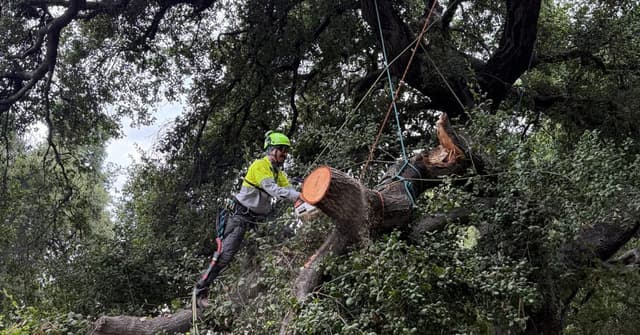
Trees are one of Claremont’s most valuable landscape features. They provide shade during hot summers, improve curb appeal, increase property value, and help create the beautiful tree-lined streets the city is known for. But knowing when to trim your trees is just as important as knowing how to trim them.
Pruning at the wrong time can weaken a tree, increase stress during extreme weather, and make it more vulnerable to pests and diseases. On the other hand, trimming during the right season encourages healthy growth, reduces safety hazards, and extends the life of your trees.
Key Takeaways
- Trim most trees in fall or winter for the best results.
- Proper pruning improves tree health, safety, and growth.
- Avoid heavy pruning during spring and summer.
- Remove dead, damaged, or hazardous branches promptly.
- Different tree species require different pruning schedules.
- Professional tree trimming helps prevent costly damage and extends tree life.
If you’re wondering about the best time to trim trees in Claremont, CA, this guide explains the ideal pruning seasons, the types of trees that benefit most from seasonal trimming, and when emergency pruning may be necessary.
Quick Answer: When Is the Best Time to Trim Trees in Claremont?
For most mature trees in Claremont, late winter is the ideal time for routine pruning.
During this dormant period:
- Trees experience less stress.
- Wounds heal more efficiently as new growth begins.
- Arborists can clearly see branch structure without dense foliage.
- There is a lower risk of spreading many tree diseases.
- Healthy spring growth develops after pruning.
However, not every tree follows the same schedule. The best pruning time depends on the species, age, condition, and purpose of the trimming.
Why Timing Matters for Tree Health
Proper timing does much more than improve appearance.
Professional pruning helps:
- Remove dead or hazardous limbs
- Improve structural strength
- Reduce storm damage risks
- Increase airflow through the canopy
- Encourage healthy new growth
- Prevent branches from interfering with homes, sidewalks, and power lines
- Minimize the spread of certain insects and diseases
According to the City of Claremont’s tree care guidance, pruning should follow professional arboricultural standards to maintain long-term tree health rather than excessive cutting or topping. You can learn more in the Proper Tree Pruning Guidelines published by the City of Claremont:
Understanding Claremont’s Climate
Claremont experiences a Mediterranean climate with:
- Hot, dry summers
- Mild winters
- Seasonal Santa Ana winds
- Extended dry periods
These conditions influence when trees recover most effectively after pruning.
Summer heat can place significant stress on recently pruned trees, while dormant winter months allow trees to conserve energy before new spring growth begins.
Best Seasons to Trim Trees in Claremont
Late Winter: The Ideal Time for Most Trees
Late winter is generally considered the best season for structural pruning.
Benefits include:
- Dormant trees recover faster.
- Better visibility of branch structure.
- Reduced stress on mature trees.
- Easier removal of crossing limbs.
- Improved spring growth.
This is an excellent time to prune:
- Chinese elm
- Ash trees
- Sycamores
- Pistache
- Many ornamental shade trees
Early Spring
Early spring is another excellent period before vigorous new growth begins.
Professional arborists often:
- Remove winter storm damage.
- Correct structural defects.
- Improve canopy balance.
- Thin overcrowded branches.
Light pruning during early spring can prepare trees for a healthy growing season.
Summer Pruning
Summer pruning is typically limited to specific situations.
Examples include:
- Removing broken branches
- Eliminating hazardous limbs
- Clearing branches from roofs
- Improving visibility near driveways
- Removing deadwood
Heavy pruning during extreme heat is generally avoided because it may increase tree stress.
Fall Pruning
Fall is usually not recommended for major pruning.
Fresh cuts heal more slowly during this period, and some fungal diseases become more active after autumn pruning.
Minor hazard removal may still be appropriate if necessary.
Tree Species Commonly Found in Claremont
Different species have different pruning needs.
Coast Live Oak
Coast live oaks are among Southern California’s most valuable native trees.
Routine pruning helps:
- Remove weak limbs
- Improve structural integrity
- Reduce branch failure
- Maintain healthy canopy development
Avoid excessive pruning that removes large portions of the canopy.
Jacaranda Trees
Known for their beautiful purple blooms, jacarandas benefit from regular structural pruning to prevent weak branch attachments.
Professional trimming also helps reduce storm-related limb failure.
California Sycamore
Large sycamores require periodic canopy management to:
- Remove deadwood
- Improve clearance
- Reduce branch weight
- Maintain overall tree health
Crape Myrtle
Crape myrtles should be pruned selectively.
Avoid aggressive topping, often called “crape murder,” as it weakens the tree and reduces its natural beauty.
Signs Your Tree Needs Trimming
Don’t wait for the calendar alone. Your tree may need attention if you notice:
- Dead limbs
- Hanging branches
- Cracked or split limbs
- Branches touching your roof
- Low-hanging limbs over sidewalks
- Dense canopy blocking airflow
- Branches interfering with utility lines
- Storm damage
- Diseased or decaying branches
Prompt pruning helps prevent small issues from becoming expensive problems.
How Professional Tree Trimming Protects Your Property
Tree trimming isn’t only about appearance.
Strategic pruning can help:
- Protect roofs from branch damage
- Reduce falling limb hazards
- Improve visibility around driveways
- Prevent branch interference with structures
- Reduce wind resistance during storms
- Maintain clearance for pedestrians and vehicles
For homeowners, routine maintenance often costs far less than emergency tree removal after severe weather.
Why DIY Tree Trimming Can Be Risky
While trimming a few small branches may seem like a simple weekend project, pruning mature trees often requires specialized knowledge and equipment. Improper cuts can permanently damage a tree, create weak branch attachments, or increase the risk of decay.
Common DIY mistakes include:
- Removing too much of the canopy at one time
- Cutting too close to the trunk and damaging the branch collar
- Leaving long stubs that invite decay
- Topping trees to reduce height
- Using dull or improper tools
- Working near overhead power lines
- Climbing trees without proper safety equipment
Professional arborists understand how different tree species respond to pruning and can identify structural issues before they become hazards.
Tree Pruning Best Practices
Quality tree care focuses on improving a tree’s long-term health rather than simply reducing its size.
Professional pruning typically includes:
Remove Dead or Diseased Branches
Deadwood can fall unexpectedly and increase the risk of property damage. Removing it also helps prevent disease from spreading throughout the canopy.
Improve Tree Structure
Selective pruning encourages stronger branch attachments and better weight distribution, helping trees withstand seasonal winds.
Increase Airflow and Sunlight
Thinning crowded branches allows more light and air to move through the canopy, creating healthier growing conditions.
Preserve the Natural Shape
Instead of dramatically altering a tree’s appearance, certified arborists prune with the tree’s natural growth habit in mind.
According to the International Society of Arboriculture, heavy topping and excessive canopy removal can shorten a tree’s lifespan and increase future maintenance needs.
Local Tree Regulations in Claremont
Before pruning or removing certain trees, it’s important to understand local regulations.
The City of Claremont provides guidance for maintaining public trees and may require permits for work involving city-owned street trees. Property owners should never prune public trees without approval.
For official guidance, review the City’s Proper Tree Pruning Guidelines, which outline pruning standards, maintenance cycles, and permit information.
Trees That Benefit from Regular Pruning
Many of the trees commonly found throughout Claremont respond well to scheduled maintenance.
These include:
- Coast Live Oak
- California Sycamore
- Chinese Elm
- Jacaranda
- Crape Myrtle
- Ash
- Pistache
- Magnolia
- Liquidambar
- Ornamental Pear
Regular inspections help identify dead limbs, weak branch unions, and structural defects before they become safety hazards.
How Often Should Trees Be Trimmed?
The ideal pruning schedule depends on the tree’s age, species, health, and location.
General recommendations include:
| Tree Type | Recommended Pruning Frequency |
|---|---|
| Young trees | Every 2 to 3 years |
| Mature shade trees | Every 3 to 5 years |
| Fast-growing trees | Every 2 to 3 years |
| Large established trees | Every 5 to 7 years |
| Hazardous or storm-damaged trees | As soon as possible |
A professional inspection can determine the best maintenance schedule for your landscape.
Emergency Tree Trimming After Storms
Although Claremont enjoys a mild climate, strong winds and seasonal storms can damage even healthy trees.
After severe weather, watch for:
- Hanging branches
- Split limbs
- Leaning trees
- Cracked trunks
- Broken canopy sections
- Branches resting on roofs or vehicles
Damaged trees should be inspected promptly to reduce safety risks and prevent additional structural failure.
Why Homeowners Choose Professional Tree Trimming
Hiring an experienced tree care company provides more than convenience.
Professional service offers:
- Proper pruning techniques
- Safer removal of large limbs
- Better tree health
- Improved property appearance
- Reduced storm damage risk
- Compliance with local standards
- Early detection of disease and decay
Routine maintenance often extends the life of valuable landscape trees while helping homeowners avoid expensive emergency repairs.
Frequently Asked Questions
When is the best month to trim trees in Claremont?
Late winter through early spring is generally the best time for most tree species because trees are dormant and can recover more efficiently before the growing season begins.
Can trees be trimmed during summer?
Yes. Light pruning to remove dead, damaged, or hazardous branches can be performed during summer. Heavy pruning is usually postponed to avoid placing unnecessary stress on the tree.
Is fall a good time to prune trees?
Major pruning is generally not recommended during fall because healing slows as trees prepare for dormancy, and certain diseases may spread more easily during this period.
How much of a tree should be removed during pruning?
Professional standards generally recommend removing no more than about 25% of a tree’s living canopy during a single pruning cycle, depending on the species and condition of the tree.
Should I trim branches near power lines?
No. Trees growing near electrical lines should only be handled by qualified professionals or the utility company because of the serious risk of injury.
Keep Your Claremont Trees Healthy Year-Round
Tree trimming is an investment in the long-term health, safety, and beauty of your property. Choosing the right season helps trees recover more quickly, encourages stronger growth, and reduces the likelihood of storm damage or costly emergency work.
Whether you have mature oaks, ornamental trees, or large shade trees, routine inspections and professional pruning can help preserve your landscape for years to come. If you’re unsure when your trees should be trimmed, scheduling an assessment with ArborWorld is the best way to develop a maintenance plan tailored to your property’s needs.